Soda Ash Grades & Specifications Explained: What Buyers Need to Know
Understanding soda ash grades and specifications is essential for manufacturers that rely on consistent chemical performance and process stability. While soda ash may appear similar across suppliers, differences in purity, density, particle size, and moisture content can significantly affect production outcomes.
This guide explains the key soda ash grades, technical specifications, and quality parameters buyers should evaluate before sourcing.
What Are Soda Ash Grades?
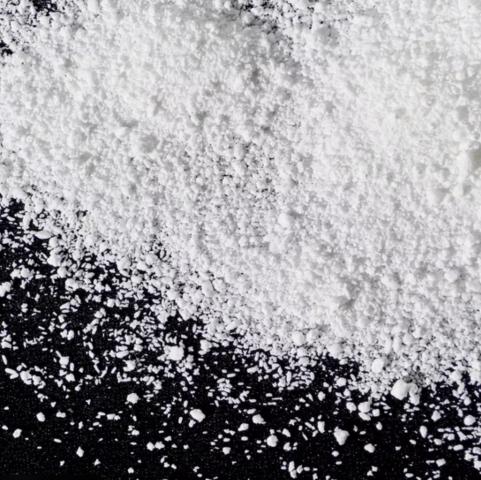
Soda ash grades refer to the physical form and quality parameters under which sodium carbonate is supplied. While the chemical composition remains sodium carbonate (Na₂CO₃), grades are defined by density, particle size, and intended industrial application.
~ For general context, see:
What Is Soda Ash (Sodium Carbonate) & Why It’s Essential for Industry
Main Commercial Soda Ash Grades
Most industrial soda ash is supplied in two primary grades.
Light Soda Ash
- Lower bulk density
- Fine, porous particles
- Faster dissolution rate
Typically used in:
- Detergents
- Chemicals
- Water treatment
Dense Soda Ash
- Higher bulk density
- Granular structure
- Better flowability
Typically used in:
- Glass manufacturing
- Metallurgical processes
- Bulk automated systems
For a direct comparison, see:
Light Soda Ash vs Dense Soda Ash: Differences, Uses & Which to Choose
Key Soda Ash Specifications Buyers Should Check
Regardless of grade, buyers should confirm technical specifications for every shipment.
Chemical Purity
- Sodium carbonate content (%)
- Limits on sodium chloride and sodium sulphate
Higher purity ensures consistent chemical reactions and product quality.
Bulk Density
- Expressed in kg/m³
- Affects storage, transport, and feeding systems
Critical for glass and bulk-handling operations.
Particle Size Distribution
- Fine vs granular consistency
- Impacts flowability and dissolution rate
Inconsistent particle size can cause process instability.
Moisture Content
- Typically tightly controlled
- Excess moisture can cause caking and handling issues
Moisture control is essential for long-term storage and transport.
Insoluble Matter
- Non-reactive residue limits
- Important for clarity-sensitive applications like glass
Natural vs Synthetic Soda Ash Specifications
Soda ash can be produced through:
- Natural mining
- Synthetic chemical processes
Natural soda ash often offers:
- Lower energy footprint
- Stable impurity profiles
Synthetic soda ash may vary more depending on production method.
Quality Standards and Documentation
- Variations between shipments
- Misaligned density vs handling systems
- Inconsistent moisture levels
- Substitution without notification
Clear specifications and supplier alignment help prevent production disruptions.
How Soda Ash Specifications Affect Sourcing
Understanding grades and specifications allows buyers to:
- Choose the correct product type
- Compare suppliers accurately
- Reduce operational risk
- Improve long-term cost efficiency
~ For a full sourcing perspective, see:
How to Source Soda Ash: Buyer’s Guide for Manufacturers (2026)
Need Help Selecting the Right Soda Ash Grade?
Choosing the correct soda ash grade and specification is key to process reliability and quality control.
TLG Minerals supports buyers with:
- Grade selection guidance
- Technical documentation
- Global sourcing and logistics
~ Request a soda ash quote and speak with our team today.