Soda Ash Grades and Specifications: What Buyers Need to Know
Understanding soda ash grades and specifications is essential for manufacturers that rely on consistent chemical performance and process stability. While soda ash may appear similar across suppliers, differences in purity, density, particle size, and moisture content can significantly affect production outcomes.
This guide explains the key soda ash grades, technical specifications, and quality parameters buyers should evaluate before sourcing.
What Are Soda Ash Grades?
Soda ash grades refer to the physical form and quality parameters under which sodium carbonate is supplied. While the chemical composition remains sodium carbonate (Na₂CO₃), grades are defined by density, particle size, and intended industrial application.
For general context, see:
What Is Soda Ash (Sodium Carbonate) & Why It’s Essential for Industry
Quick Summary: Soda Ash Grades and Specifications
| Specification area | Why it matters |
|---|---|
| Soda ash type | Light and dense soda ash suit different applications |
| Purity | Affects chemical performance and production consistency |
| Bulk density | Important for storage, dosing and handling systems |
| Particle size | Influences flowability and dissolution rate |
| Moisture content | Helps prevent caking and handling issues |
| Documentation | COA, SDS and TDS help verify quality and compliance |
Main Commercial Soda Ash Grades
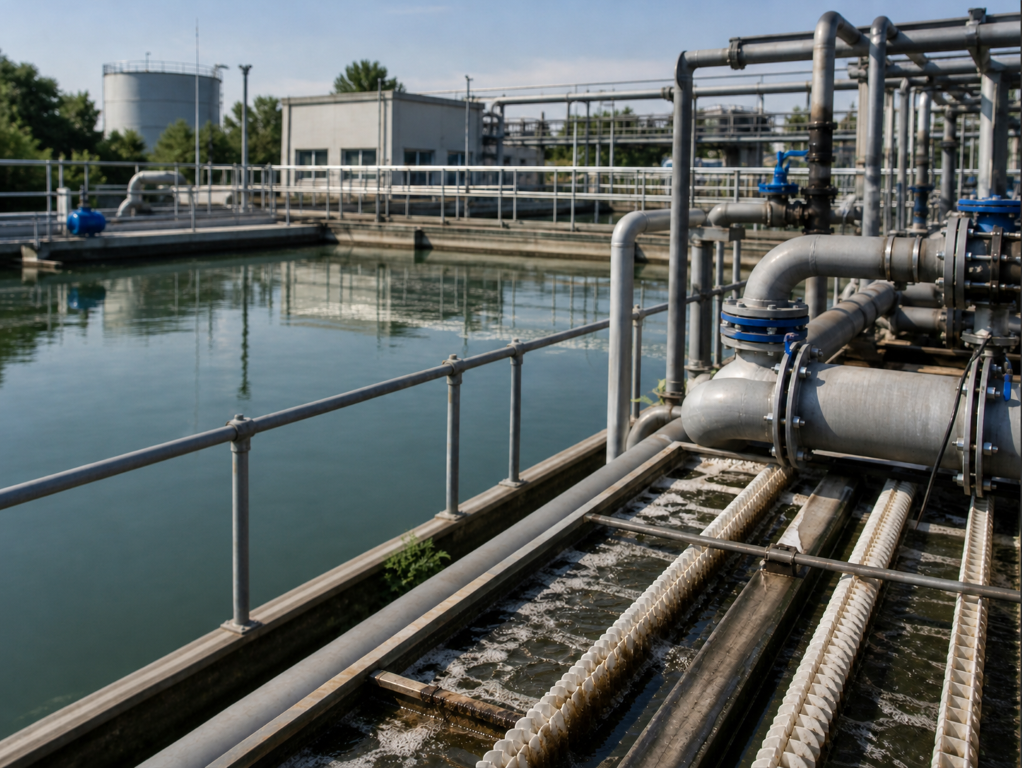
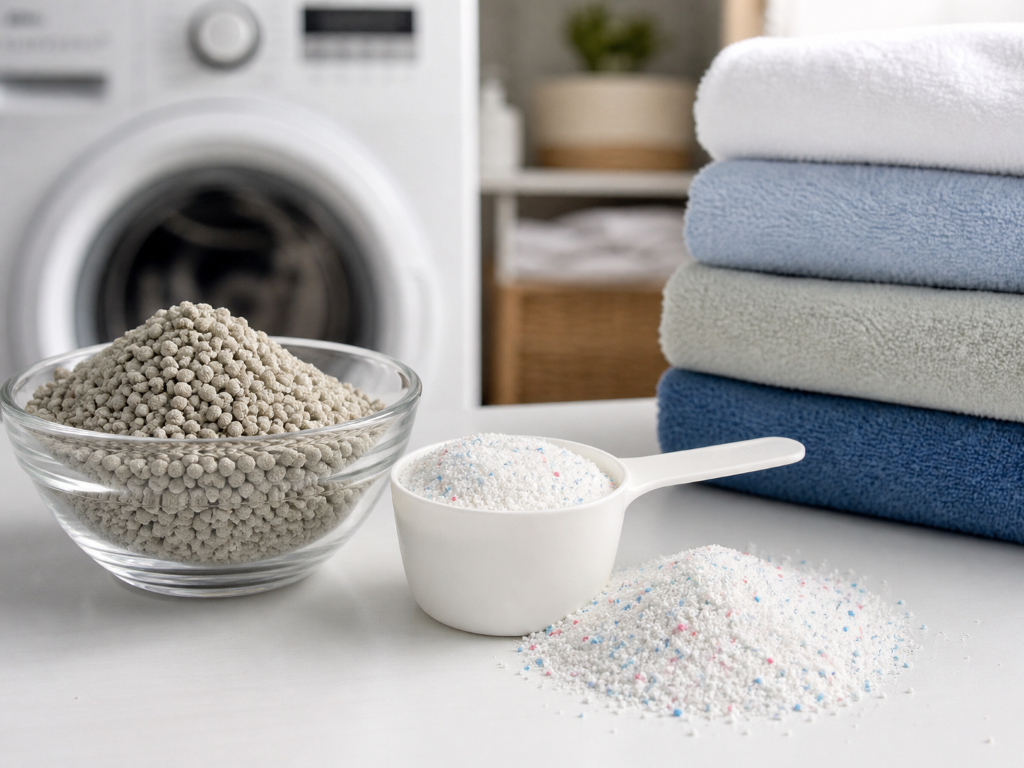
Most industrial soda ash is supplied in two main commercial forms: light soda ash and dense soda ash.
| Grade | Key characteristics | Common applications |
|---|---|---|
| Light soda ash | Lower bulk density, finer particles, faster dissolution | Detergents, chemicals, water treatment and formulation processes |
| Dense soda ash | Higher bulk density, granular structure, better flowability | Glass manufacturing, metallurgy and bulk automated systems |
For a direct comparison, see:
Light Soda Ash vs Dense Soda Ash: Differences, Uses & Which to Choose
Key Soda Ash Specifications Buyers Should Check
Chemical purity
Higher Na2CO3 purity helps support stable chemical reactions and consistent production quality.
Bulk density
Bulk density affects storage volume, transport efficiency and automated feeding systems, especially in glass manufacturing.
Particle size
Particle size influences flowability, dissolution rate and blending performance.
Moisture content
Moisture control is important for preventing caking during storage, transport and handling.
Insoluble matter
Low insoluble matter is especially important in clarity-sensitive applications such as glass.
Typical Soda Ash Specification Parameters
| Parameter | What buyers should check | Why it matters |
|---|---|---|
| Sodium carbonate content | Na₂CO₃ purity percentage | Affects chemical performance and product consistency |
| Sodium chloride | Chloride limit | Important for quality-sensitive applications |
| Sodium sulphate | Sulphate limit | Can affect process performance depending on use |
| Bulk density | kg/m3 range | Critical for storage, transport and dosing systems |
| Particle size distribution | Fine or granular consistency | Affects flowability, dissolution and handling |
| Moisture content | Maximum moisture level | Helps prevent caking during storage and transport |
| Insoluble matter | Non-reactive residue limit | Important for glass clarity and sensitive chemical uses |
Natural vs Synthetic Soda Ash Specifications
Soda ash can be produced from natural trona-based resources or through synthetic chemical processes. While both routes produce sodium carbonate, buyers should confirm that each shipment meets the required specification, purity, density and documentation standards.
For origin-based sourcing considerations, read our Turkey soda ash supplier analysis.
| Production route | Buyer consideration |
|---|---|
| Natural soda ash | Often valued for consistent production and stable impurity profiles |
| Synthetic soda ash | May vary depending on production route, energy input and regional plant standards |
Quality Documents Buyers Should Request
| Document | Purpose |
|---|---|
| Certificate of Analysis (COA) | Confirms actual chemical and physical test results |
| Technical Data Sheet (TDS) | Shows standard specification ranges and product characteristics |
| Safety Data Sheet (SDS) | Provides safe handling, storage and transport information |
| Certificate of Origin | Confirms supply origin where required for import or procurement |
| Packing list | Confirms packaging, quantity, weight and shipment details |
How Soda Ash Specifications Affect Sourcing
Understanding grades and specifications allows buyers to:
- Choose the correct product type
- Compare suppliers accurately
- Reduce operational risk
- Improve long-term cost efficiency
For a full sourcing perspective, see:
How to Source Soda Ash: Buyer’s Guide for Manufacturers (2026)
Need Help Selecting the Right Soda Ash Grade?
Choosing the correct soda ash grade and specification is key to process reliability and quality control.
TLG Minerals supports buyers with:
- Grade selection guidance
- Technical documentation
- Global sourcing and logistics
For product availability and supply options, visit our Soda Ash product page or request a soda ash quote to discuss your required grade, packaging, quantity and delivery term with TLG Minerals.
Get a Free Quote
Reliable Sourcing For Global Industries.Manufacturers.Projects.
Connecting industries with quality industrial minerals, bulk supply, and dependable global logistics.