Light Soda Ash vs Dense Soda Ash: Differences, Uses and Selection Guide
Light vs dense soda ash is a common comparison for manufacturers using sodium carbonate in glass, detergent, and chemical production. Although both products are chemically identical, their physical properties affect handling, dissolution, and process efficiency. Understanding the difference between light soda ash and dense soda ash is essential for choosing the right material and avoiding operational issues.
This guide explains the key differences between light and dense soda ash, their typical uses, and how manufacturers can choose the right option for their specific requirements.
What Is Soda Ash?
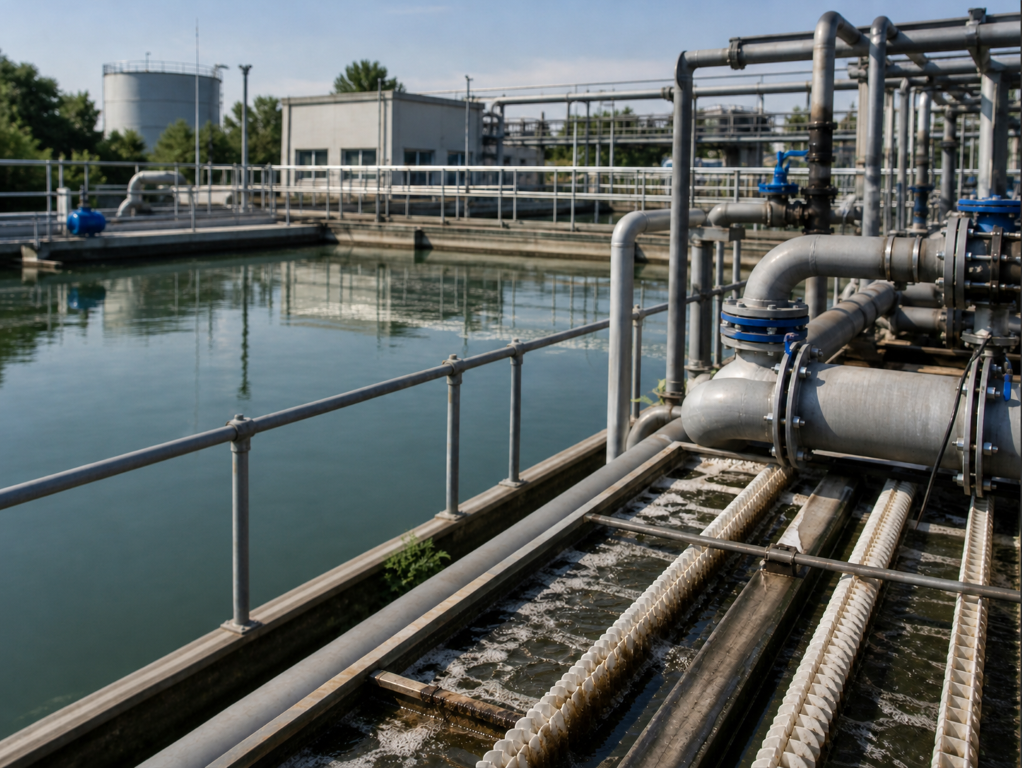
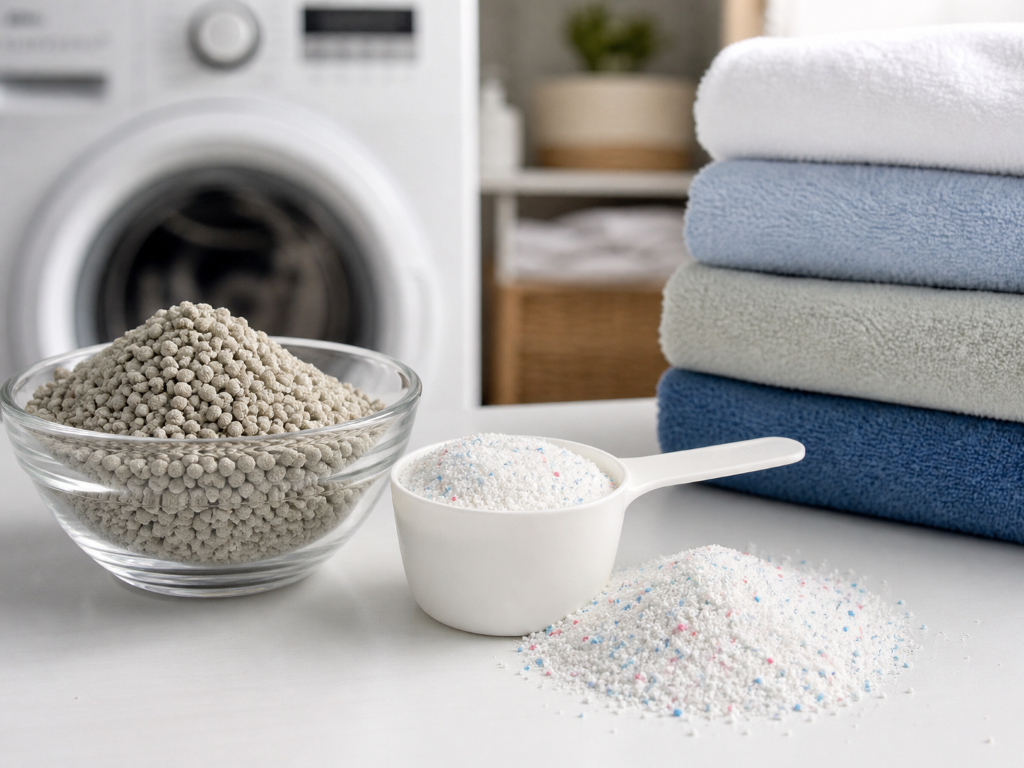
Soda ash is an essential industrial mineral widely used in glass manufacturing, detergents, chemicals, and water treatment. While the chemical composition remains the same, soda ash is commercially supplied in two physical forms: light and dense.
For a general overview, see:
What Is Soda Ash (Sodium Carbonate) & Why It’s Essential for Industry
What Is Light Soda Ash?
Light soda ash is produced through a process that results in smaller, more porous particles with lower bulk density.
Key characteristics:
- Lower bulk density
- Finer particle structure
- Higher dust potential
- Faster dissolution in water
Because of these properties, light soda ash is commonly used where rapid solubility and chemical reactivity are required.
What Is Dense Soda Ash?
Dense soda ash is produced by further processing light soda ash to create larger, more compact granules.
Key characteristics:
- Higher bulk density
- Better flowability
- Lower dust formation
- Improved handling efficiency
Dense soda ash is preferred in applications where consistent feeding and bulk handling are critical.
Light Soda Ash vs Dense Soda Ash: Key Differences
| Property | Light Soda Ash | Dense Soda Ash |
|---|---|---|
| Bulk density | Lower | Higher |
| Particle size | Fine | Granular |
| Flowability | Moderate | Excellent |
| Dust formation | Higher | Lower |
| Dissolution | Faster | Slower / more controlled |
| Common uses | Detergents, chemicals, water treatment | Glass manufacturing, metallurgy, bulk handling systems |
Although chemically identical, these physical differences significantly impact processing and logistics.
Typical Uses of Light Soda Ash
Light soda ash is widely used in industries that require fast dissolution or chemical interaction.
Common applications include:
- Detergent and soap manufacturing
- Chemical production
- Water treatment
- Textile processing
- Paper and pulp industries
Its fine structure allows it to dissolve quickly, making it suitable for liquid-based processes.
Typical Uses of Dense Soda Ash
Dense soda ash is primarily used in applications requiring controlled feeding and minimal dust.
Common applications include:
- Glass manufacturing (flat, container, and specialty glass)
- Metallurgical processes
- Bulk industrial applications
- Automated material handling systems
Glass manufacturers strongly prefer dense soda ash due to its consistent flow and reduced material loss.
Which Type of Soda Ash Should You Choose?
| Application / requirement | Recommended type | Reason |
|---|---|---|
| Detergent production | Light soda ash | Faster dissolution and easier blending |
| Chemical formulation | Light soda ash | Suitable for reactive and liquid-based processes |
| Water treatment | Light soda ash | Dissolves quickly and supports pH adjustment |
| Glass manufacturing | Dense soda ash | Better flowability and bulk handling performance |
| Automated feeding systems | Dense soda ash | Lower dust and more consistent feeding |
| Long-distance transport | Dense soda ash | Higher density and better handling efficiency |
The correct choice depends on the application, handling system, packaging requirement and required technical specification. Buyers should confirm bulk density, particle size, moisture content and documentation before ordering.
Buyer Checklist: Light vs Dense Soda Ash
| Question | Why it matters |
|---|---|
| What is the end application? | Determines whether light or dense soda ash is more suitable |
| Is fast dissolution required? | Usually points toward light soda ash |
| Is automated feeding used? | Dense soda ash may perform better |
| Is dust control important? | Dense soda ash usually has lower dust formation |
| What packaging is required? | Bags, jumbo bags or bulk supply affect handling |
| Are COA, SDS and TDS required? | Supports quality and compliance checks |
Common Buyer Mistakes to Avoid
- Selecting based on price alone
- Ignoring bulk density differences
- Failing to align material type with handling systems
- Not requesting technical documentation
These mistakes can lead to inefficiencies, material loss, or production disruptions.
How This Affects Soda Ash Sourcing
Understanding the difference between light and dense soda ash is a critical step in procurement.
For a complete sourcing perspective, see:
How to Source Soda Ash: Buyer’s Guide for Manufacturers (2026)
This ensures correct material selection, supplier alignment, and long-term supply stability.
Request a Quote or Learn More
Looking for a reliable Soda Ash supplier?
For product availability and supply options, visit our Soda Ash product page or request a soda ash quote to discuss your required type, grade, packaging, quantity and delivery term.
Get a Free Quote
Reliable Sourcing For Global Industries.Manufacturers.Projects.
Connecting industries with quality industrial minerals, bulk supply, and dependable global logistics.