How to Source Soda Ash: Buyer’s Guide for Glass, Detergent & Chemical Manufacturers (2026)
Sourcing soda ash is a strategic procurement decision for manufacturers in the glass, detergent, and chemical industries. Beyond price, buyers must consider product type, specifications, origin, logistics, and supplier reliability to ensure consistent performance and regulatory compliance.
As global markets move into 2026, soda ash buyers face changing trade flows, energy-driven pricing volatility, and tighter quality expectations. This guide explains how to source soda ash confidently, avoid common risks, and choose the right supply strategy.
What Is Soda Ash and Why Sourcing Matters
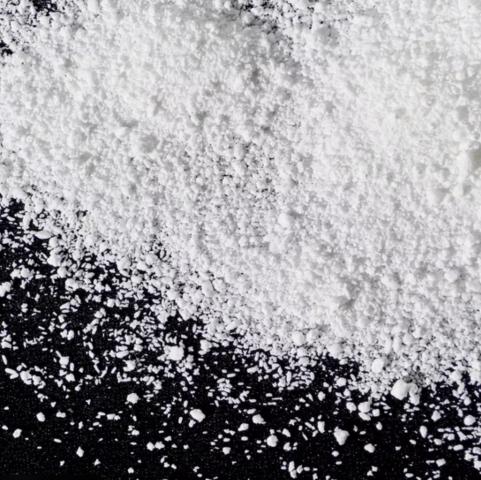
Soda ash, also known as sodium carbonate (Na₂CO₃), is a critical industrial mineral used as a flux, pH regulator, and chemical intermediate.
~ If you’re new to the material, see our overview:
What Is Soda Ash (Sodium Carbonate) & Why It’s Essential for Industry
For buyers, sourcing decisions directly affect:
- Production efficiency
- Finished product quality
- Cost stability
- Regulatory compliance
Light Soda Ash vs Dense Soda Ash
One of the first sourcing decisions is choosing between light and dense soda ash.
Light Soda Ash
- Lower bulk density
- Finer particles
- Commonly used in detergents and chemicals
Dense Soda Ash
- Higher bulk density
- Better flow properties
- Preferred by glass manufacturers
Choosing the wrong type can cause handling issues, inconsistent batching, or process inefficiencies.
Soda Ash Specifications Buyers Should Check
Before placing an order, buyers should always confirm technical specifications.
Key parameters include:
- Sodium carbonate purity (%)
- Bulk density
- Particle size distribution
- Moisture content
- Insoluble matter limits
Requesting a Certificate of Analysis (COA) for each shipment is best practice.
Major Soda Ash Producing Countries
Global soda ash supply comes from both natural and synthetic sources.
Key exporting regions:
- Turkey – Major natural soda ash producer
- United States – High-purity natural soda ash
- China – Large synthetic production capacity
- Europe – Stable but higher-cost supply
- Africa – Emerging export potential
Each origin differs in pricing, lead times, and consistency, making supplier selection critical.
Pricing Factors Affecting Soda Ash in 2026
Soda ash prices are influenced by more than just demand.
Key drivers include:
- Energy costs (especially for synthetic soda ash)
- Mining and processing costs
- Global freight rates
- Port congestion and logistics availability
- Currency exchange rates
Understanding these factors helps buyers plan purchases and manage budget risk.
Importing Soda Ash: What Buyers Must Consider
Soda ash is typically shipped in:
- 25 kg bags
- Jumbo bags
- Bulk shipments (for large consumers)
Important considerations:
- Packaging suitability
- Moisture protection
- Storage conditions
- Import documentation and customs clearance
- Typical lead times by origin
Poor logistics planning can result in material loss or production delays.
Common Risks When Sourcing Soda Ash
Buyers frequently encounter:
- Inconsistent quality between shipments
- Incorrect particle size
- Moisture contamination
- Supplier substitution without notice
- Limited post-shipment support
These risks can be reduced through clear specifications, trial orders, and long-term supplier relationships.
How to Choose a Reliable Soda Ash Supplier
A dependable supplier should provide more than just product availability.
Look for suppliers that offer:
- Transparent sourcing and origin information
- Consistent technical specifications
- Full documentation (COA, MSDS)
- Reliable logistics support
- Clear communication and after-sales service
Strong supplier relationships improve supply security and pricing stability.
Request a Quote or Learn More
Looking for a reliable Soda Ash supplier?
Reach out to TLG Minerals today to discuss your sourcing needs or request a quote.