What Is Zeolite? Uses, Types & Why It Matters for Industrial Buyers
Zeolite is a naturally occurring mineral widely used across water treatment, detergents, agriculture, and industrial processes. Its unique porous structure allows it to absorb, filter, and exchange ions efficiently. For industrial buyers, understanding what zeolite is, how it works, and which type to choose is critical for performance, cost control, and supply reliability.
What Is Zeolite?
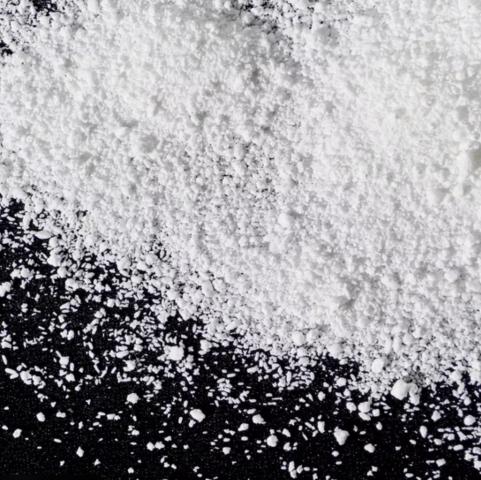
Zeolite is a crystalline aluminosilicate mineral formed through volcanic activity and sedimentary processes. It has a rigid, three-dimensional framework containing microscopic pores that trap water, gases, and ions.
These properties make zeolite highly effective for:
- Adsorption
- Ion exchange
- Filtration
- Moisture control
Key Properties That Make Zeolite Valuable
Zeolite mineral is preferred in industrial applications because of several key characteristics:
- High porosity and surface area
- Strong ion-exchange capacity
- Thermal and chemical stability
- Reusability and long service life
These features allow zeolite to improve efficiency while reducing chemical consumption and operating costs.
Industrial Zeolite Types
Natural Zeolite:
Natural zeolite is mined and processed with minimal chemical modification. It is widely used in:
- Water and wastewater treatment
- Agriculture and soil conditioning
- Odour and moisture control
Natural zeolite is cost-effective and environmentally friendly, making it attractive for large-volume industrial use.
Synthetic Zeolite:
Synthetic zeolite is manufactured under controlled conditions to achieve precise pore sizes and chemical composition. It is commonly used in:
- Detergent formulations
- Catalysts
- High-precision industrial processes
Synthetic zeolite offers consistent quality but typically comes at a higher cost.
Common Zeolite Uses Across Industries
This mineral is used across multiple sectors due to its versatility:
- Water treatment: removal of ammonium, heavy metals, and impurities
- Detergents: water softening and performance enhancement
- Agriculture: soil conditioning and nutrient retention
- Industrial processing: gas separation and drying
Why This Material Matters for Industrial Buyers
For procurement and technical buyers, zeolite selection impacts:
- Product performance
- Operating efficiency
- Long-term cost
- Supply reliability
Choosing the wrong zeolite grade or supplier can lead to inconsistent results, quality claims, and production disruptions.
What Industrial Buyers Should Check Before Purchase
Before confirming a purchase, buyers should verify:
- Zeolite type (natural or synthetic)
- Particle size and consistency
- Chemical composition and purity
- Moisture content
- Packaging and logistics suitability
Clear specifications and supplier documentation reduce commercial and technical risk.
Speak to TLG Minerals
If you need support selecting the right industrial zeolite for your application, our team can assist with technical guidance, sourcing, and logistics.
Contact TLG Minerals to discuss your natural and synthetic zeolite requirements and supply options.
Zeolite performance and classification are referenced in technical publications by organizations such as the International Zeolite Association (IZA).