
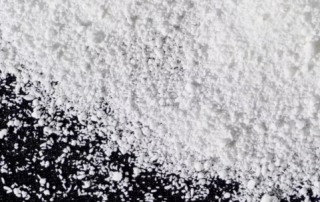
Natural vs Synthetic Zeolite: Differences, Performance & Buyer Considerations
Zeolite is available in both natural and synthetic forms, each offering distinct performance characteristics depending on the application. For industrial buyers, understanding the differences between natural and synthetic zeolite is essential to ensure process efficiency, cost control, and consistent quality. What Is Natural Zeolite? Natural zeolite is a naturally occurring aluminosilicate mineral formed through volcanic and sedimentary processes. It is mined, crushed, and processed with minimal chemical modification.Natural zeolite is widely used due to its:Cost efficiencyEnvironmental friendlinessHigh ion-exchange capacity What Is Synthetic Zeolite? Synthetic zeolite is manufactured under controlled conditions to achieve precise pore size, uniform particle [...]
What Is Zeolite? Uses, Types & Why It Matters for Industrial Buyers
Zeolite is a naturally occurring mineral widely used across water treatment, detergents, agriculture, and industrial processes. Its unique porous structure allows it to absorb, filter, and exchange ions efficiently. For industrial buyers, understanding what zeolite is, how it works, and which type to choose is critical for performance, cost control, and supply reliability. What Is Zeolite? Zeolite is a crystalline aluminosilicate mineral formed through volcanic activity and sedimentary processes. It has a rigid, three-dimensional framework containing microscopic pores that trap water, gases, and ions. These properties make zeolite highly effective for: Adsorption Ion exchange Filtration [...]
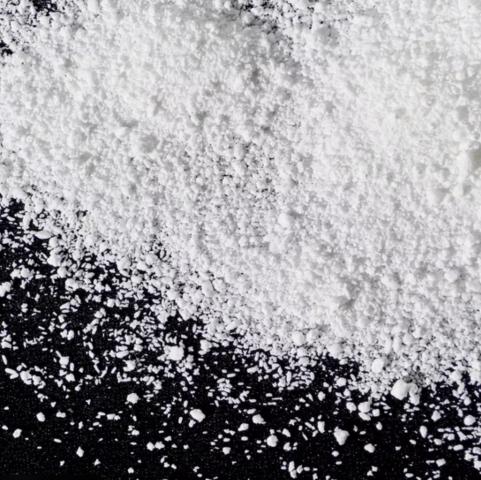
Zeolite is available in both natural and synthetic forms, each offering distinct performance characteristics depending on the application. For industrial buyers, understanding the differences between natural and synthetic zeolite is [...]
-
Zeolite is a naturally occurring mineral widely used across water treatment, detergents, agriculture, and industrial processes. Its unique porous structure allows it to absorb, filter, and exchange ions efficiently. [...]