
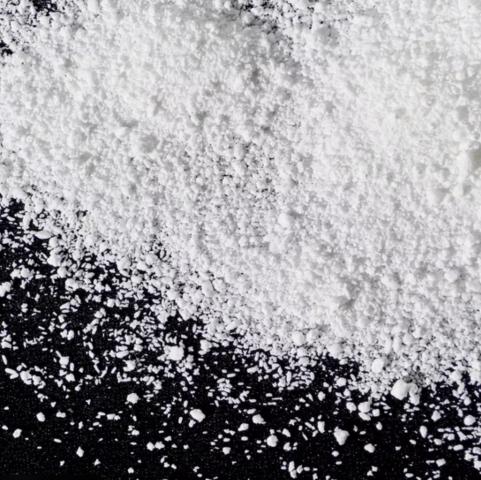
Natural vs Synthetic Zeolite: Differences, Performance & Buyer Considerations
Zeolite is available in both natural and synthetic forms, each offering distinct performance characteristics depending on the application. For industrial buyers, understanding the differences between natural and synthetic zeolite is essential to ensure process efficiency, cost control, and consistent quality.
What Is Natural Zeolite?
Natural zeolite is a naturally occurring aluminosilicate mineral formed through volcanic and sedimentary processes. It is mined, crushed, and processed with minimal chemical modification.
Natural zeolite is widely used due to its:
- Cost efficiency
- Environmental friendliness
- High ion-exchange capacity
What Is Synthetic Zeolite?
Synthetic zeolite is manufactured under controlled conditions to achieve precise pore size, uniform particle distribution, and consistent chemical composition.
Synthetic zeolite is preferred in applications requiring:
- High purity
- Tight specification control
- Predictable performance
Key Differences Between Natural and Synthetic Zeolite
| Factor | Natural Zeolite | Synthetic Zeolite |
|---|---|---|
| Source | Naturally mined | Manufactured |
| Cost | Lower | Higher |
| Purity | Variable | Highly consistent |
| Particle control | Limited | Precise |
| Environmental impact | Low | Higher energy input |
Performance Comparison by Application
Natural zeolite performs well in:
- Water and wastewater treatment
- Agriculture and soil conditioning
- Odour and moisture control
Synthetic zeolite is commonly used in:
- Detergent formulations
- Catalysts and chemical processing
- High-precision industrial applications
Cost and Supply Considerations for Buyers
From a procurement perspective:
- Natural zeolite offers lower unit cost and is suitable for bulk applications
- Synthetic zeolite provides higher consistency but at a premium price
Buyers should balance performance needs against total cost of ownership, including logistics, packaging, and long-term supply reliability.
How Buyers Should Choose Between Natural and Synthetic Zeolite
Before purchasing, buyers should evaluate:
- End-use application requirements
- Required purity and particle size
- Volume and frequency of supply
- Regulatory or environmental constraints
Incorrect selection can lead to performance loss, quality claims, or increased operating costs.
Speak to TLG Minerals
If you need support selecting the right industrial zeolite for your application, our team can assist with technical guidance, sourcing, and logistics.
Contact TLG Minerals to discuss your natural and synthetic zeolite requirements and supply options.
Zeolite performance and classification are referenced in technical publications by organizations such as the International Zeolite Association (IZA).