
How Soda Ash Market Trends Impact Global Sourcing Decisions
Understanding soda ash market trends is no longer just about tracking prices. For industrial buyers, procurement teams, and manufacturers, market dynamics directly influence sourcing strategies, supplier selection, logistics planning, and risk management.
As global supply chains remain sensitive to energy costs, logistics constraints, and regional disruptions, informed sourcing decisions are critical to securing reliable soda ash supply while maintaining cost control and operational stability.
To understand how these market forces impact different applications, see our guide on what soda ash is and how it is used across industries.
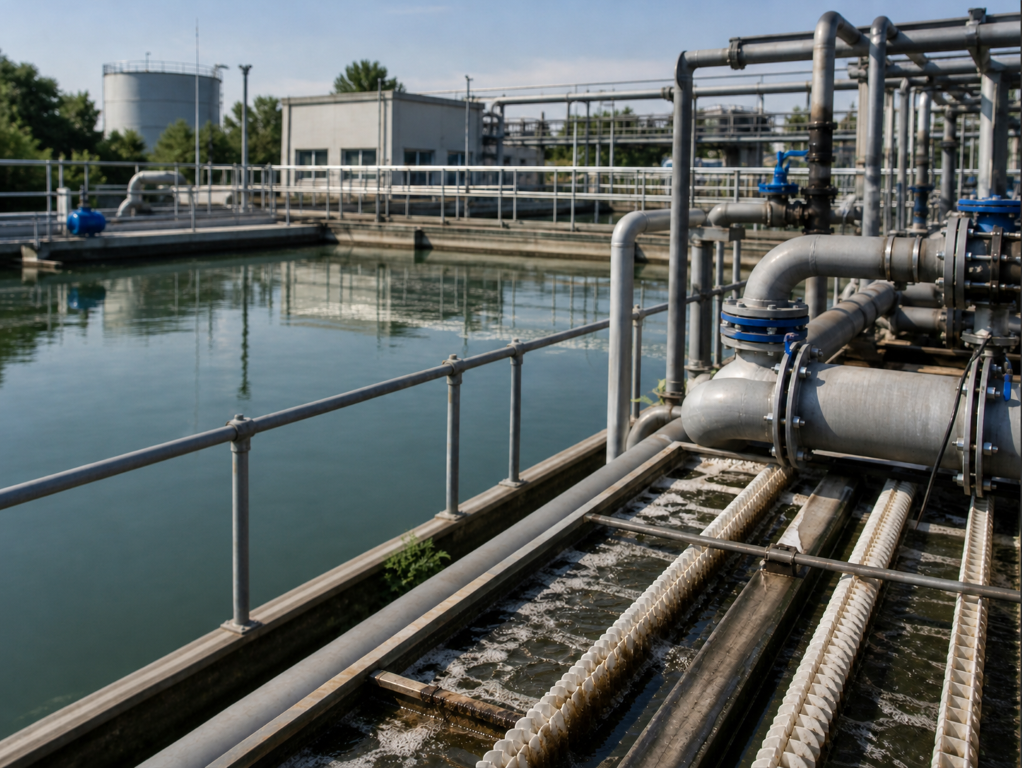

Overview of the Global Soda Ash Market
The global soda ash market serves a wide range of industrial sectors, with glass manufacturing remaining the largest consumer, followed by detergents, chemicals, and water treatment applications.
Supply is concentrated in a limited number of producing regions, making the market particularly sensitive to production disruptions, energy price volatility, and logistics performance. While overall demand growth remains steady, regional imbalances and capacity utilisation levels continue to shape sourcing conditions for buyers worldwide.
Demand is largely driven by glass manufacturing and detergents — which require different product types. Learn more in our light vs dense soda ash comparison.
Key Soda Ash Trends Buyers Should Monitor
| Trend | Why it matters |
|---|---|
| Energy price volatility | May influence production costs and supplier pricing |
| Freight rate changes | Can affect final delivered cost more than product price alone |
| Port congestion or vessel delays | May increase lead times and planning risk |
| Regional demand from glass | Strong glass demand can tighten dense soda ash availability |
| Detergent and chemical demand | Can influence light soda ash demand |
| Export capacity and origin | Reliable export origins help reduce supply disruption risk |
Natural vs Synthetic Soda Ash – Sourcing Implications
From a sourcing perspective, the distinction between natural and synthetic soda ash has become increasingly important.
Natural soda ash typically benefits from lower energy intensity and more stable cost structures, contributing to greater supply predictability over the medium to long term. Synthetic soda ash remains essential in regions without access to natural deposits but is generally more exposed to energy price volatility and regulatory pressures.
For buyers, understanding these differences helps inform decisions around origin selection, contract duration, and long-term supplier partnerships.
Logistics, Freight, and Delivered-Cost Considerations
Beyond production, logistics and freight performance are critical components of delivered soda ash costs.
Ocean freight rates, port congestion, and container or bulk vessel availability can significantly influence final pricing and lead times, particularly for international buyers. Extended transit times and unpredictable logistics conditions have encouraged many procurement teams to reassess sourcing regions and prioritise supply routes that offer greater reliability and flexibility. Choosing the right supplier is critical in volatile markets. Review our soda ash supplier checklist to evaluate sourcing options effectively.
Why Delivered Cost Matters More Than Unit Price
For international soda ash buyers, the lowest product price does not always result in the lowest total cost. Freight, port charges, packaging, documentation, payment terms, lead time and import requirements can all affect the final delivered cost.
| Cost factor | Buyer consideration |
|---|---|
| Product price | Base soda ash price by grade and origin |
| Packaging | Big bags, 25 kg bags or bulk supply |
| Freight | Container or bulk vessel cost |
| Port and handling | Loading, discharge and local charges |
| Documentation | COA, SDS, TDS and origin documents |
| Lead time | Production readiness and vessel availability |
What Current Market Trends Mean for Buyers
Looking ahead, soda ash prices are expected to:
- Remain stable to moderately firm
- Reflect ongoing energy and logistics costs
- Show regional variation based on supply access
Buyers should expect:
- Limited downward price pressure
- Continued emphasis on contract stability
- Increased value placed on supplier reliability
How Market Conditions Influence Soda Ash Sourcing Strategies
Market awareness plays a critical role in shaping effective soda ash sourcing strategies.
Procurement decisions are increasingly influenced by factors such as origin reliability, logistics performance, and supplier flexibility, rather than spot pricing alone. Buyers who integrate market insights into their sourcing frameworks are better positioned to secure consistent quality, manage risk, and optimise total procurement costs.
For a structured approach, see our Soda Ash sourcing guide for industrial buyers.
Planning Soda Ash Procurement with Confidence
Successful soda ash procurement requires a balance between market awareness and long-term planning.
By understanding broader market trends and supply dynamics, buyers can make informed decisions that support budget planning, operational continuity, and sustainable sourcing practices. This approach enables procurement teams to respond effectively to market changes while maintaining supply security.
Sourcing Soda Ash in a Changing Market
As market conditions continue to evolve, working with knowledgeable and reliable sourcing partners becomes increasingly important.
TLG Minerals supports industrial buyers by combining market insight with global sourcing capabilities, competitive pricing structures, and dependable logistics solutions. This integrated approach helps buyers navigate changing market conditions with confidence.
Explore our Soda Ash product range or request a quotation to secure reliable supply based on current market conditions.
Get a Free Quote
Reliable Sourcing For Global Industries.Manufacturers.Projects.
Connecting industries with quality industrial minerals, bulk supply, and dependable global logistics.